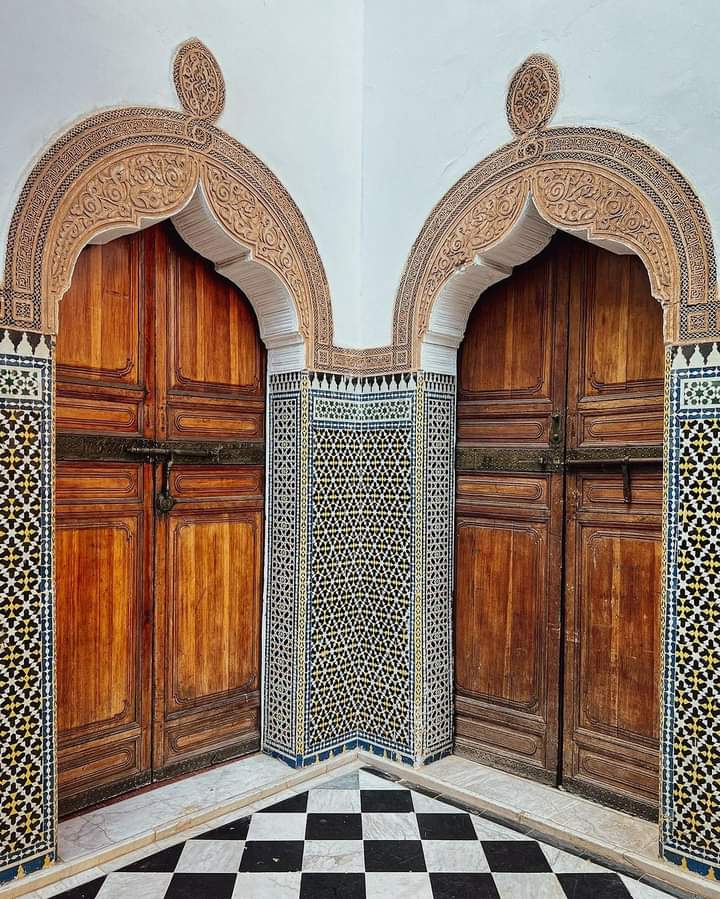
Berber culture in Morocco
Berber culture in Morocco, also known as Amazigh culture, is one of the country’s oldest and most distinctive cultural heritages, with traditions that have been preserved and passed down from generation to generation. The Amazigh people are indigenous to North Africa, and their rich heritage can be discovered throughout Morocco, particularly in the Atlas Mountains, the Rif Mountains, and the southern regions. One of the most important elements of Berber culture in Morocco is the Amazigh language, known as Tamazight, which is an official language of Morocco alongside Arabic and remains an important part of Amazigh identity, family life, storytelling, music, and traditional culture. Visitors who want to discover Berber culture in Morocco can explore traditional Amazigh villages, meet local families, visit local markets, and experience the authentic lifestyle of mountain and rural communities. Traditional Berber culture in Morocco is also reflected in clothing, architecture, handicrafts, music, and celebrations. Traditional Amazigh clothing is often colorful and beautifully decorated, with women wearing handmade dresses, scarves, jewelry, and textiles that can reflect regional traditions and personal or family identity. Traditional Amazigh homes and villages are also an important part of the heritage, especially in the Atlas Mountains, where houses are often built using local materials such as stone and earth and adapted to the surrounding environment. Traditional Berber crafts include handmade rugs, carpets, pottery, woven textiles, baskets, leatherwork, embroidery, and silver jewelry, with many patterns and symbols connected to Amazigh artistic traditions. Traditional Amazigh music and dance are another important part of Berber culture in Morocco, particularly during weddings, festivals, family celebrations, and community gatherings, where music, rhythm, singing, and dance bring people together. Traditional Berber food in Morocco is equally important and reflects the connection between food, hospitality, family, and the local environment. Traditional Amazigh cuisine includes couscous, tagine, homemade bread, barley-based dishes, seasonal vegetables, olives, dates, almonds, olive oil, and fresh mint tea. Sharing food and serving tea to guests is an important expression of Moroccan and Amazigh hospitality, and travelers can experience this tradition by enjoying a homemade meal with a local family or staying in a traditional Amazigh guesthouse. Traditional celebrations, weddings, storytelling, music, crafts, clothing, food, and community life all contribute to the richness of Berber culture in Morocco. From the traditional villages of the High Atlas to the valleys, oases, and desert regions of southern Morocco, Amazigh communities continue to maintain many elements of their cultural heritage while adapting to modern life. For travelers interested in authentic experiences, discovering Berber culture in Morocco provides an opportunity to learn about the Amazigh language, traditional food, clothing, architecture, music, crafts, customs, and hospitality while experiencing an important part of Morocco’s living cultural heritage.
Share This Article
